
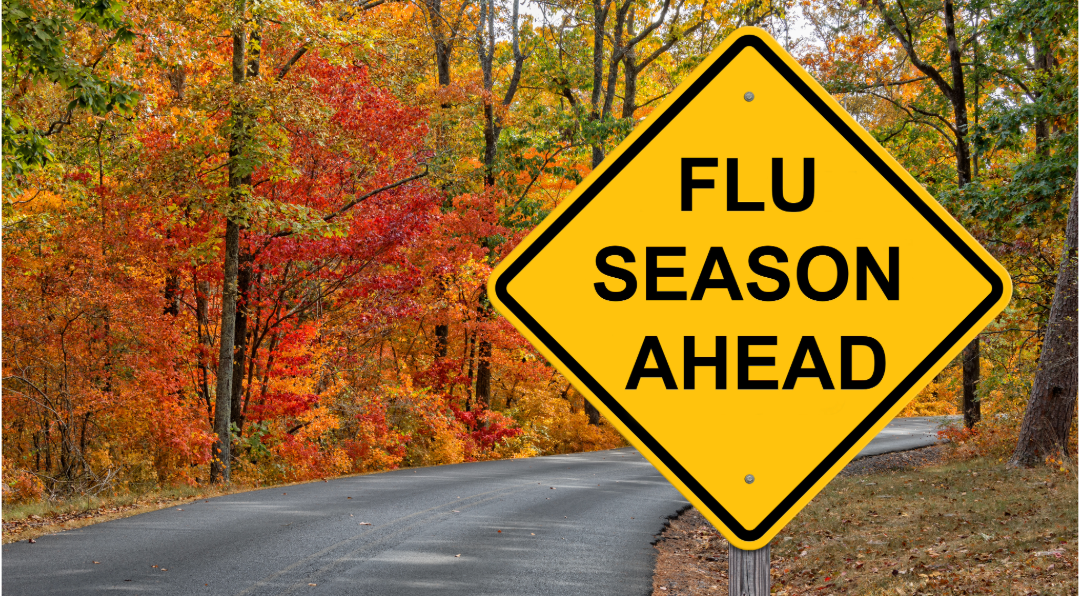
As autumn approaches, crisp air and falling leaves bring another annual transition: flu season. While the influenza virus circulates year-round, cases typically spike between late fall and early spring. Taking simple, proactive steps today can shield you and your household from severe illness.
Why Flu Returns Every Year
The influenza virus constantly mutates through a process known as antigenic drift. These surface changes mean your immune system may not recognize this year’s strains, even if you were sick or vaccinated last season. Cooler indoor air, lower humidity, and more time spent close together indoors create ideal conditions for airborne transmission.
3 Essential Steps to Prepare
- Schedule Your Annual Flu Vaccination
- Health agencies recommend annual vaccination for everyone aged 6 months and older. Getting vaccinated by early autumn gives your immune system the 2 weeks required to build robust antibody protection before peak community spread.
- Practice High-Impact Hygiene
- Wash hands thoroughly with soap and water for at least 20 seconds, especially after visiting public spaces.
- Clean high-touch surfaces at home and work—doorknobs, phones, light switches, and keyboards.
- Strengthen Your Immune Baseline
- Prioritize Rest: Aim for 7–9 hours of sleep nightly to support antibody production.
- Hydrate & Fuel:Focus on nutrient-rich foods packed with Vitamin C and Zinc.
- Stay Active: Moderate exercise boosts immune circulation.
What to Do If You Get Sick
If you start feeling feverish or achey, stay home to avoid spreading the virus. Rest, hydrate, and contact your Piedmont Health care team early.